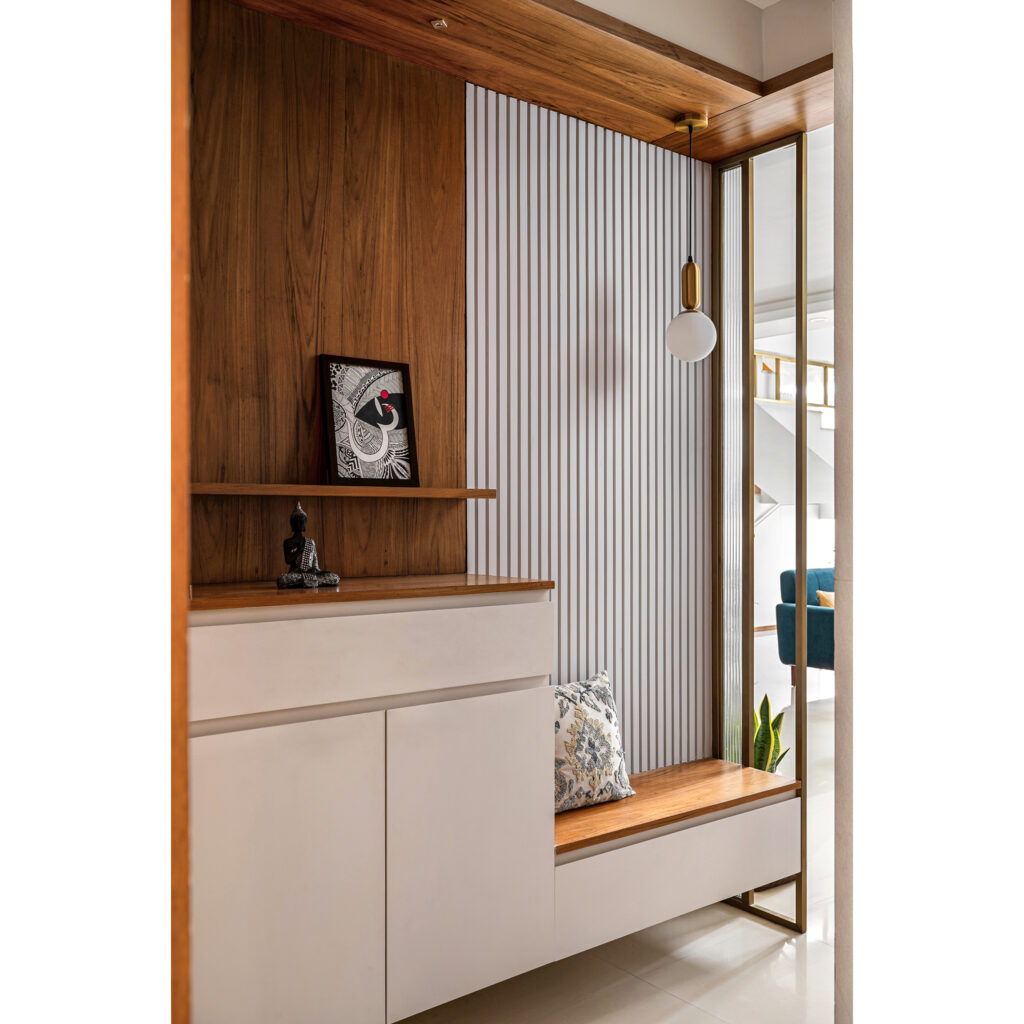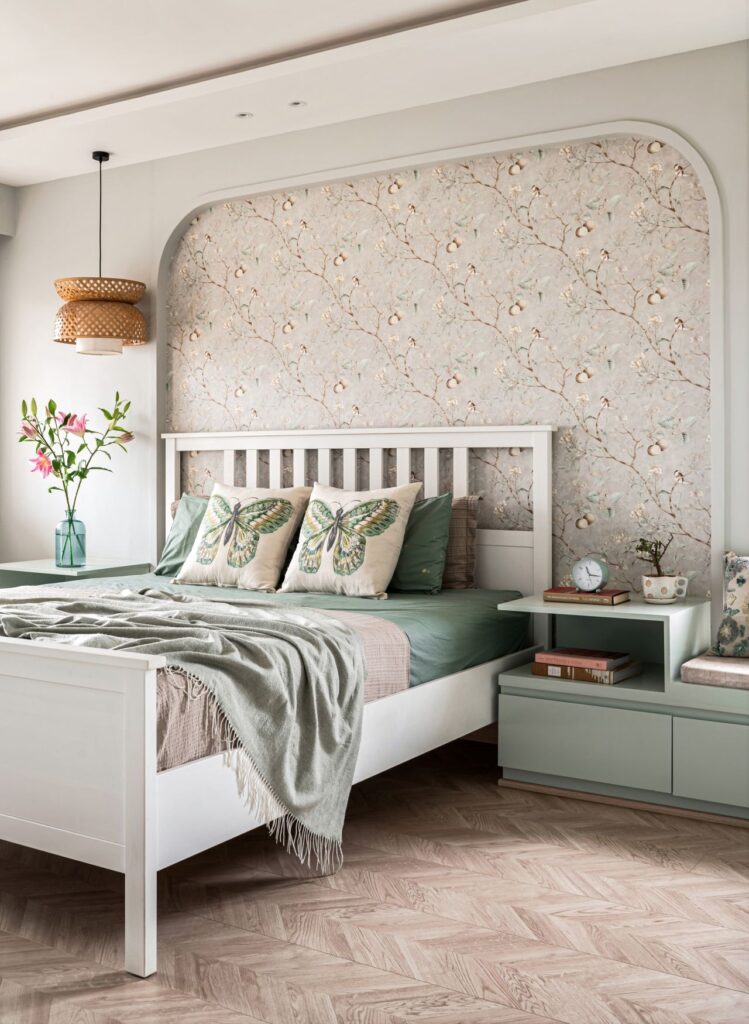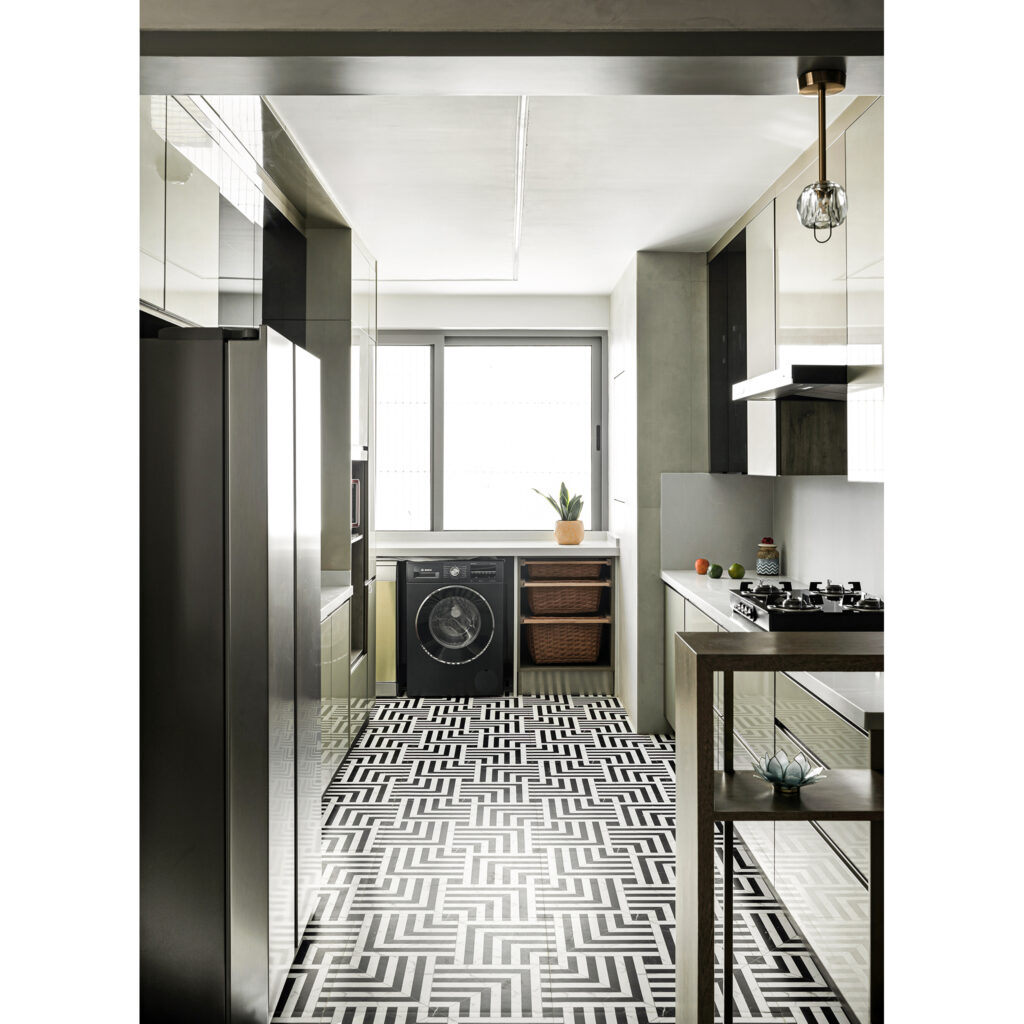
Before starting your home interiors, one key question makes all the difference:
Is the home for rental or self-use?
The answer directly impacts your budget, material choices, and overall design approach. Planning both the same way often leads to overspending or dissatisfaction later.
Understanding the Core Difference
Rental interiors focus on durability, neutrality, and low maintenance. The goal is to attract tenants and protect long-term returns.
Self-use interiors focus on comfort, personalization, and lifestyle. These homes should reflect how you live and feel comfortable every day.
Kitchen: Don’t Compromise on Basics
For rental homes:
- Standard modular kitchens with durable laminates
- Minimal accessories to reduce maintenance
- Easy-to-clean finishes
For self-use homes:
- Better internal storage and soft-close hardware
- Finishes suited to daily cooking habits
Regardless of usage, kitchen carcass quality should always be reliable.
Wardrobes & Storage
Rental interiors work best with:
- Simple wardrobes with basic shelving and hanging space
- Minimal customization to control costs
Self-use interiors benefit from:
- Customized internals like drawers, pull-outs, and lofts
- Dressing units and integrated mirrors
Well-planned storage improves daily convenience and keeps the home clutter-free.
Bathrooms: Practical vs Comfort-Oriented
For rentals:
- Standard fittings and minimal cabinetry
- Easy-to-maintain materials
For self-use:
- Vanity units with storage
- Better lighting and premium fittings
Bathrooms are high-use areas where thoughtful planning makes a big difference.
Living & Dining Areas
Rental homes should remain:
- Neutral and flexible
- Free from heavy customization
Self-use homes can include:
- Accent walls, textures, and layered lighting
- Custom furniture and smart storage
Final Thought
There’s no single interior formula—only the right approach for the right purpose.
✔ Rental interiors should be durable and cost-efficient
✔ Self-use interiors should be comfortable and personal
At Design Cubes, we help homeowners invest wisely—so every rupee adds real value to the home.